
Review
The Flavour of Green Tea Over Rice (1952)
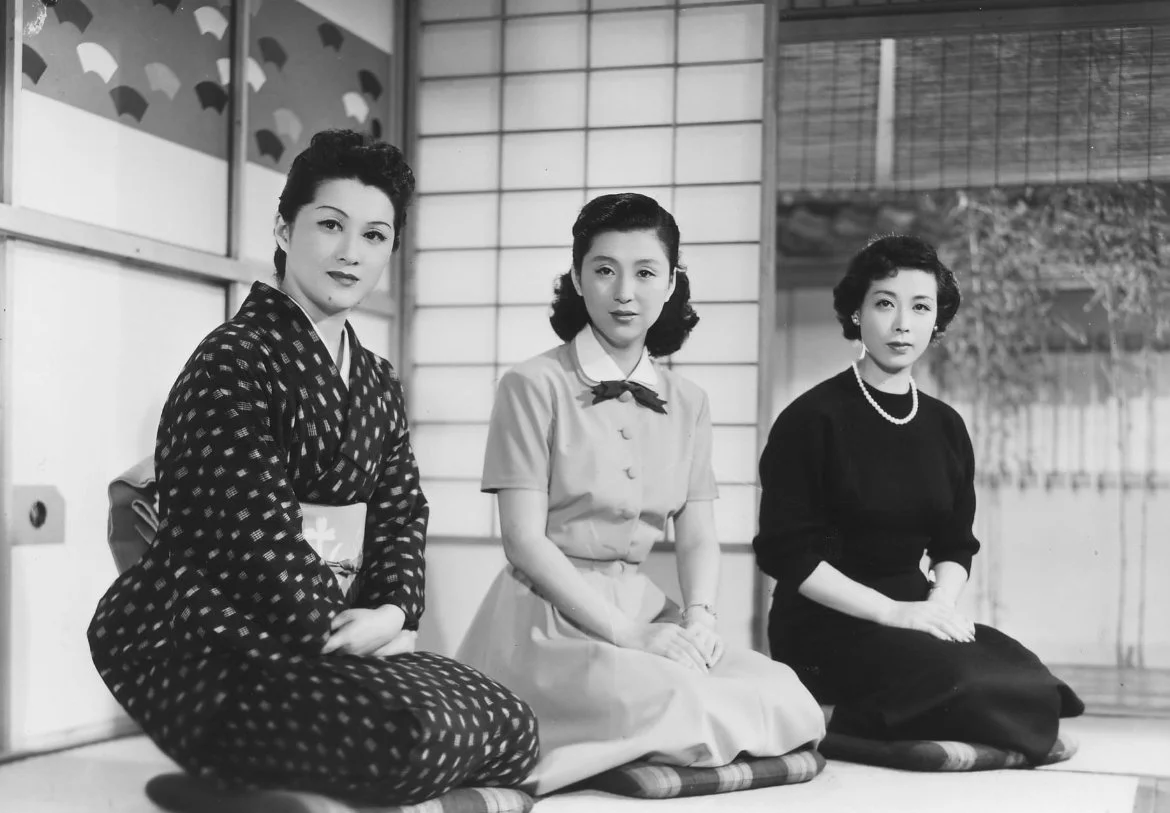
image: Shochiku
Director: Yasujirō Ozu
Writers: Kōgo Noda, Yasujirō Ozu
Cast: Shin Saburi, Michiyo Kogure, Kōji Tsuruta, Chikage Awashima, Chishū Ryū, Keiko Tsushima, Kuniko Miyake
Run Time: 1h 56m
UK Rating: U
9/10
Yasujirō Ozu’s The Flavour of Green Tea over Rice is about the mundane, everyday resentments that can build up over the course of a marriage. In how these small squabbles become toxic and malignant if not properly addressed and dealt with. As usual with Ozu these disagreements are deftly and intelligently explored, although with an obvious bias as the audience know exactly where the director's sympathies lie. Despite the fissures in their relationship, you genuinely hope for reconciliation because it’s difficult not to genuinely care about these characters. This bittersweet, at times hilarious comedy ranks amongst Ozu’s finest films.
The Flavour of Green Tea Over Rice follows wealthy couple Mokichi (Shin Saburi) and Taeko (Michiyo Kogure) Satake, who have been married for years as the result of an arranged marriage. Childless, neither seem interested in prioritising the relationship, content in their independence. Mokichi is more interested in spending his leisure time drinking and playing Pachinko with his friend Noboru (Kōji Tsuruta) whilst his wife Taeko constructs flimsy ruses to escape to the hot spring spas. There’s a complete lack of honest communication between the pair who avoid interacting at all wherever they can. The couple’s imperfect routine is interrupted by the arrival of Taeko’s niece Setsuko (Keiko Tsushima) who almost inadvertently exposes one of her aunt’s lies. Setsuko is desperately avoiding her mother’s attempts to set her up in an arranged marriage which Taeko is placed in charge of organising. Setsuko feels it’s an outdated institution that creates loveless relationships of convenience rather than catering to the wants of those involved. She ditches her arranged marriage meeting and tags along with her uncle and Noboru to watch bicycle races and play pachinko, refusing to return to the meeting. Their niece's stubborn refusal to follow tradition brings old resentments to the surface and begins to expose the fractures in the marriage.
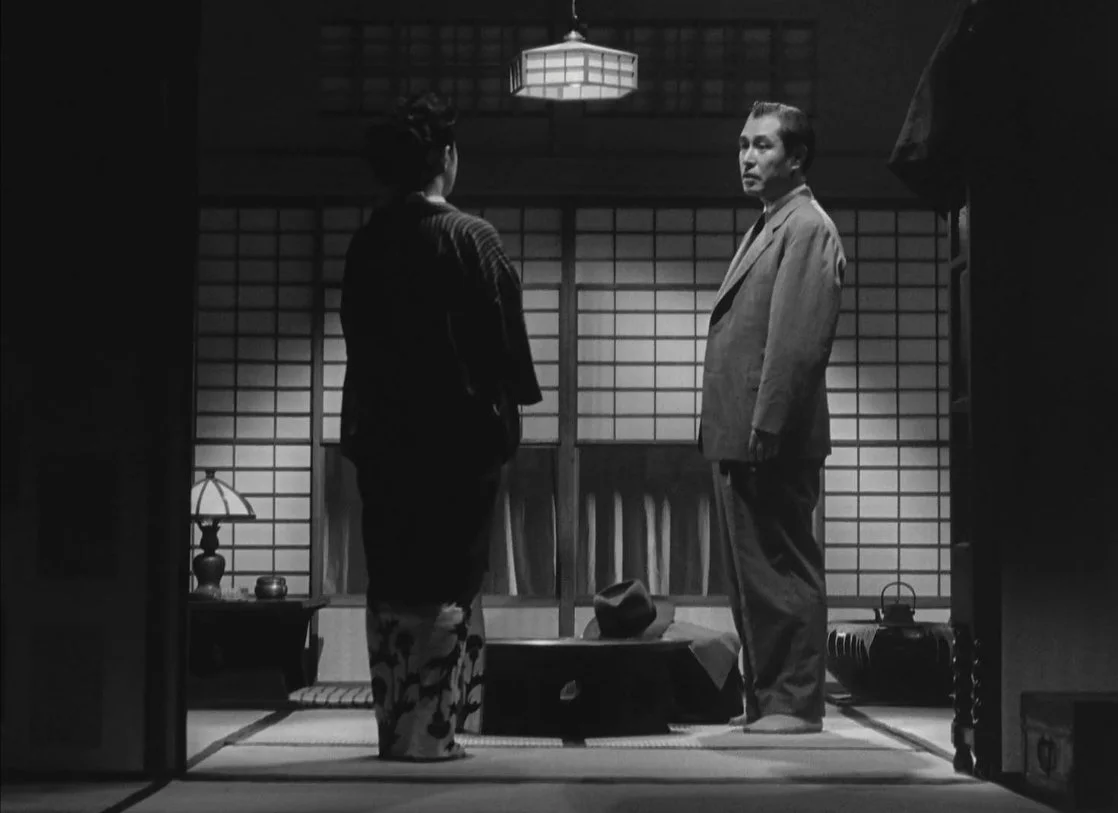
image: Shochiku
Shin Saburi, who mostly appeared in supporting roles in Ozu’s films, does a fantastic job as the husband seeking a life of ease and simple pleasures. He’s not milquetoast, just deeply committed to his home comforts and determined to maintain the material connections to his rural youth. Even when tasked with disciplining Setsuko he does so half-heartedly, not really wanting to get involved in their dispute. Taeko was raised in a wealthy household and can't help but see his habits as beneath their current social standing. Viewing her husband as unsophisticated and a “Bonehead” as a result. Her friends and niece playfully chide her denigration of a man they see as essentially good but Taeko is completely unreasonable in her expectations. Michiyo Kogure is beautifully obstinate as Taeko who is immature and irrational while maintaining a perfectly poised exterior. When she doesn’t get what she wants she simply retreats to her parlour or the hot springs, unwilling to engage with other people’s opinions.
Her niece is similarly stubborn in refusing to accept her family’s plan for an arranged marriage. Setsuko wants a partner of her choosing based on mutual affection and isn’t willing to compromise. She rebels against her arranged marriage because she can see how fractious her aunt and uncle’s has become. She see's their duplicity as reasons why they aren't compatible and the relationship as emblematic as to why the system doesn’t work. Keiko Tsushima's performance perfectly captures the perspective of Japan’s younger generation that began to question the dogmatic attitudes of their elders. Like Mokichi, Noboru is content with life’s simple pleasures, bragging about his second hand suits and raving about the cheap pork cutlets at a restaurant. Kōji Tsuruta plays him with a wide-eyed boyish exuberance and you quickly root for Noboru and Setsuko as a couple. There’s a welcome appearance too by Ozu regular (and favourite of The Film List) Chishū Ryū as the Pachinko parlour owner who decries the negative impact that the machines have had on the nation.
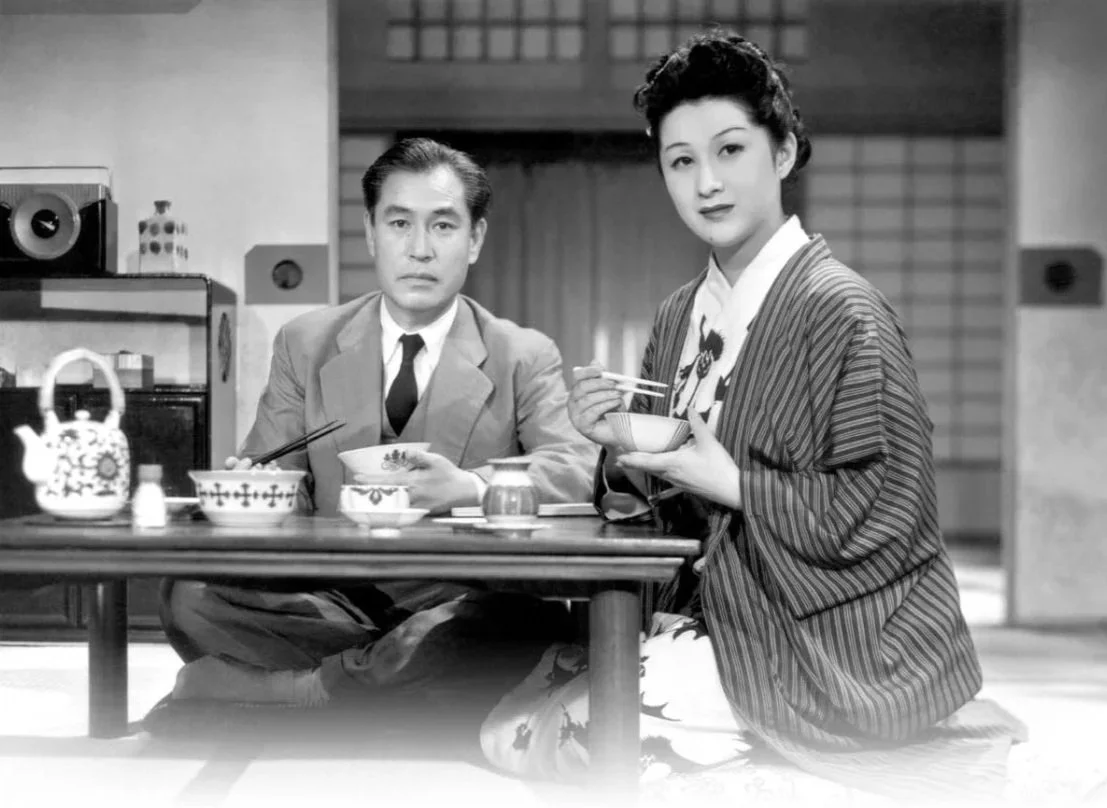
image: Shochiku
Like much of Ozu’s work from the later half of his career, he uses the younger generation’s new found freedom and attitudes to explore the traditions of Japan's older generations. Modernity crashing into the nation struggling with the weight of its recent past. Here it’s a playful counterpoint to the main narrative allowing the script to gently pull at the fabric of inherited traditions. Adding some levity into a story that may have otherwise been too melodramatic. Instead of leaning too heavily on the fraught emotional strain of the marital strife the film is wistful and wry with a mature emphasis on compromise and acceptance. Ozu’s script which the director co-wrote with long time collaborator Kogo Noda (the pair first worked together in 1927) is deeply humorous, wringing comedy from the film’s unlikely pairings but also displaying the same bittersweet melancholy that typified the pair’s other films. This is supplemented by Yūharu Atsuta’s rich, deep cinematography, shot with the director’s trademark intricate precision. Ozu positions the camera low so the audience is placed within the discussions and creates a degree of intimacy between the viewer and protagonists. Each shot feels carefully and artfully composited, making the domestic scenes achingly beautiful. Present too is Ozu’s patient pace, Yoshiyasu Hamamura’s editing letting scenes play out in a thoughtful, reflective mood.
The following year Ozu would direct Tokyo Story (1953) which many consider to be his opus. Undoubtedly a masterful work by a director at the height of his craft, the film has unfairly overshadowed how consistently and sublimely great his work is during this period. The Flavour of Green Tea over Rice is amongst Ozu’s finest films, a tender examination of the pitfalls of married life. Deeply moving and sweetly funny, it is an excellent showcase of the director’s charms.
Watched on BFI Blu-ray
Published 5th September 2026