
Review
Bait (2019)
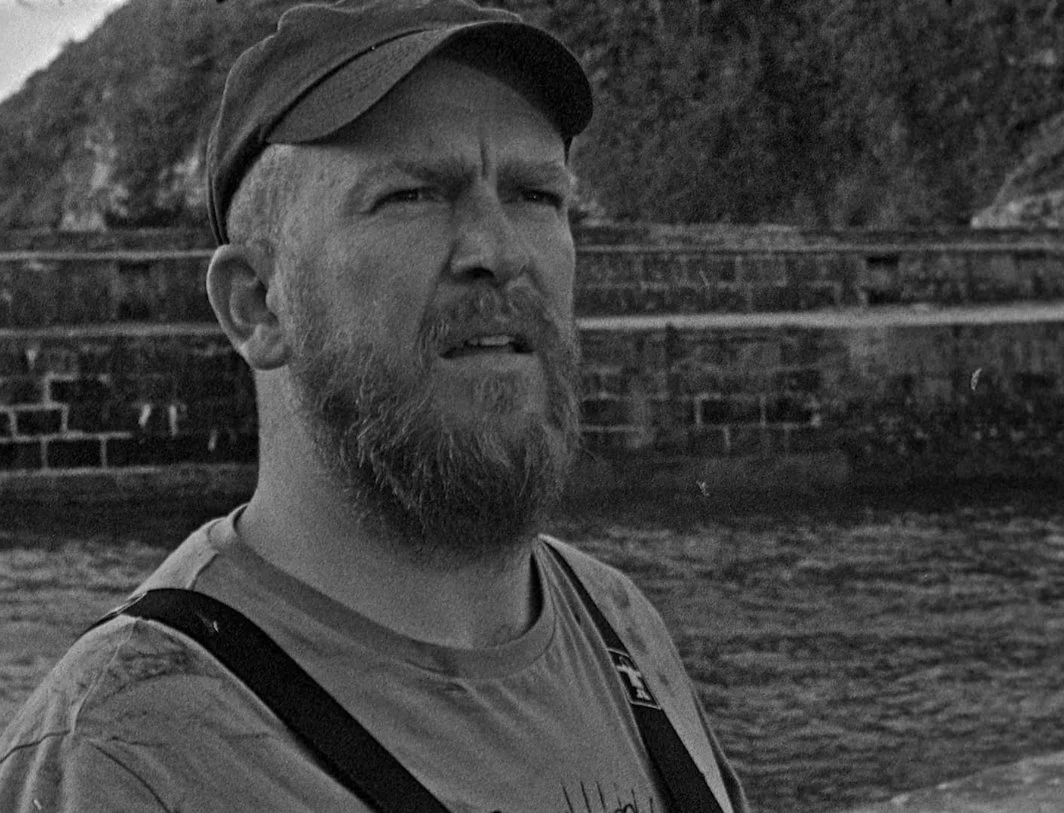
image: BFI Films
Director: Mark Jenkin
Writer: Mark Jenkin
Cast: Edward Rowe, Giles King, Isaac Woodvine, Mary Woodvine, Simon Shepherd, Georgia Ellery, Chloe Endean
Run Time: 1h 29m
UK Rating: 15
7/10
Bait is a film defined by its own intentional limitations and constraints. Shot using a hand operated, clockwork 16mm Bolex camera by director Mark Jenkins. Which he then hand processed giving the film a scratchy, handmade quality. Bait is a film that calls back to the earliest cinematic releases, particularly in the expressionistic framing and uncomfortable extreme close ups of actors that often simply highlights mouths, eyes and (clenched) fists. This method of recording meant that audio wasn't recorded during filming and all sound had to be dubbed in post. Actors had to lip sync their dialogue and every environmental sound needed to then be painstakingly recreated by Jenkin in his studio and by the sound department. This focus on quite antiquated filming techniques and equipment serves to support one of the film's themes of modernity destroying the traditions of the past.
Martin Ward (Edward Rowe) is a fisherman eking out a meagre existence in what remains of a Cornish fishing village. The industry that supported the community is dying and most have abandoned the trade in favour of more consistent and safe work. The area is being gentrified by tourists and he has been forced to sell his parents home (the one in which he grew up) to the Leigh family. They’re upper class transplants from London who are renting out the cottage as holiday homes. They’ve destroyed the kitchen to make modernisations, decorated with chintzy fishing nets and anchors that Martin sees as a mockery of his trade. As the Leigh’s transport Waitrose bags into the rural community, Martin spends his time trawling for fish using nets laid out on the coast. His father’s fishing boat is now being operated by his brother Steven (Giles King) for tourist trips, a point of contention between them (“Dad would be rolling in his grave”) and Martin is selling his catches door to door in order to save for his own vessel. Steven’s son Neil (Isaac Woodvine) favours his uncle, trying to learn the gruelling trade to earn some money and begins a relationship with the Leigh's daughter. When Martin’s car is clamped outside of the cottage events are set that are sure to end in tragedy.
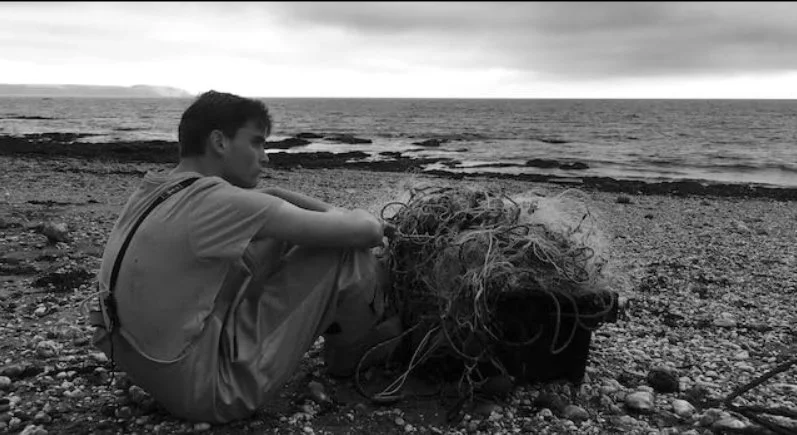
The story is simple, one that could be conveyed without dialogue at all. It's established by Jenkins emphasising the differences between the locals and “tourists" in their actions. The locals strive with arduous labour while people like the Leighs enjoy their leisure. There are countless shots of Martin's wellies contrasted against the comfortable footwear of the Leighs, his fists, hard worn and clenched as opposed to immaculate hands of the interlopers. This dichotomy is belaboured and at times heavy handed, at no point are we in doubt where Jenkin’s sympathy lies. It’s only in the more nuanced portrayals of the Leigh family mother (Mary Woodvine) and daughter (Georgia Ellery) that the film attempts any empathy with the outsiders.
Martin is a man who’s forced to watch as his past and connection to his family is being erased. He mourns the loss of his mother’s pantry and his father’s boat being used to haul drunk party goers out to sea. He seethes with resentment with an anger that bubbles just below the surface. Unable (or unwilling) to disguise the visible contempt as he interacts with those who profiteer from the tourists killing the soul of the village. This turns out to be most of the older population, those who have tried to adapt to the new economic reality. The younger generation feel cheated out of their heritage and look with derision at the modest local amenities that cater to the outsiders.
image: BFI Films
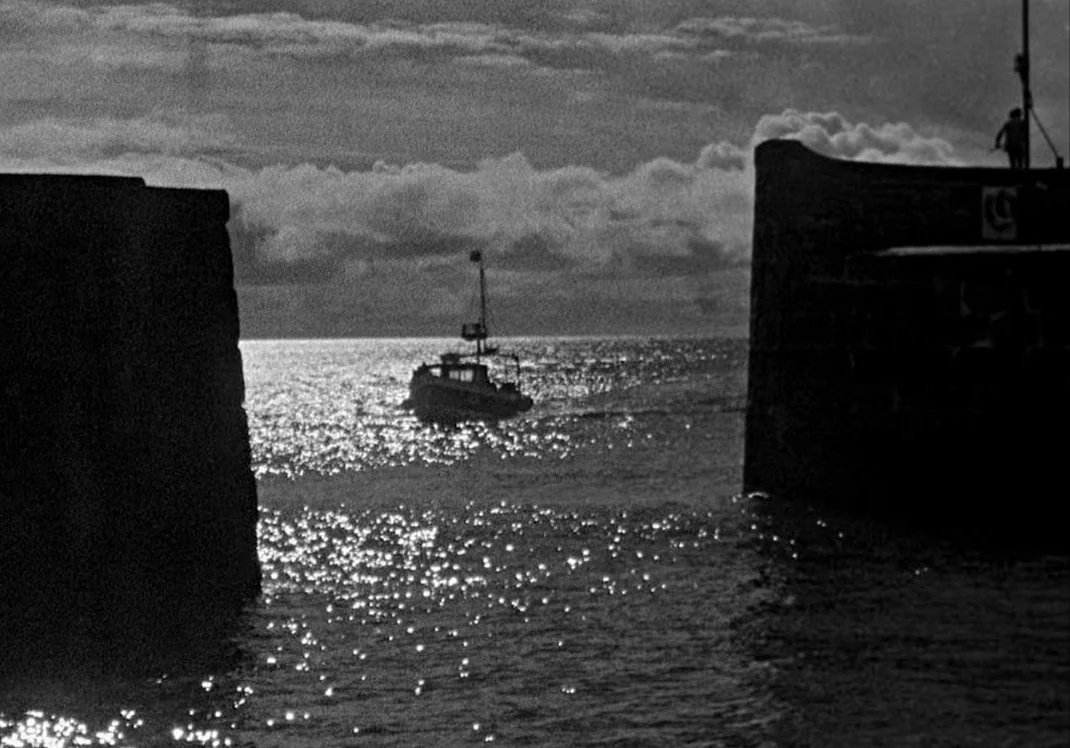
image: BFI Films
Martin's modest dream of his own boat is reasonable and it's heartbreaking when circumstances force him to part with some of his savings. Rowe’s performance is all understatement and bitter suppression of emotion. He’s a big man who towers over the rest of the cast and almost monosyllabic, effortlessly imposing. But Martin is someone comfortable in physicality, preferring actions to words. Later in the film when he teaches two of the teens his expertise (one has a public punishment) it's by demonstrating it himself silently. The focus on the minutiae of a task, of the physical act of hauling fish that gives it a mythic quality. This vaguely supernatural quality extends to the sound which is eerie and at times otherworldly. It's never perfectly synced with the image and gives the artificial quality of world cinema dubbed into English (especially the cheaper dubs of old martial arts movies). It takes some getting used to initially, accentuated by the extreme close ups and stilted interactions but you quickly acclimatise as you will to Bait’s stark photography and editing.
That said, the film isn’t for everyone. I imagine some will bristle against its abrasive sound design and look, admittedly there were some sections in which the film strobed that I found genuinely unpleasant and nauseating. This was very rare however and will vary between each viewer. Those that aren’t put off will be rewarded with a film that feels singular and deliberate. The scratches that are the result of the development process give Bait a handcrafted look that is the polar opposite of the lifeless cleanliness of modern digital film-making. There’s such a sense of purpose to the film that it's difficult to not be charmed by Jenkin’s commitment to his vision.
Watched on Film4
Published 28th August 2026