
Review
The Last Picture Show (1971)
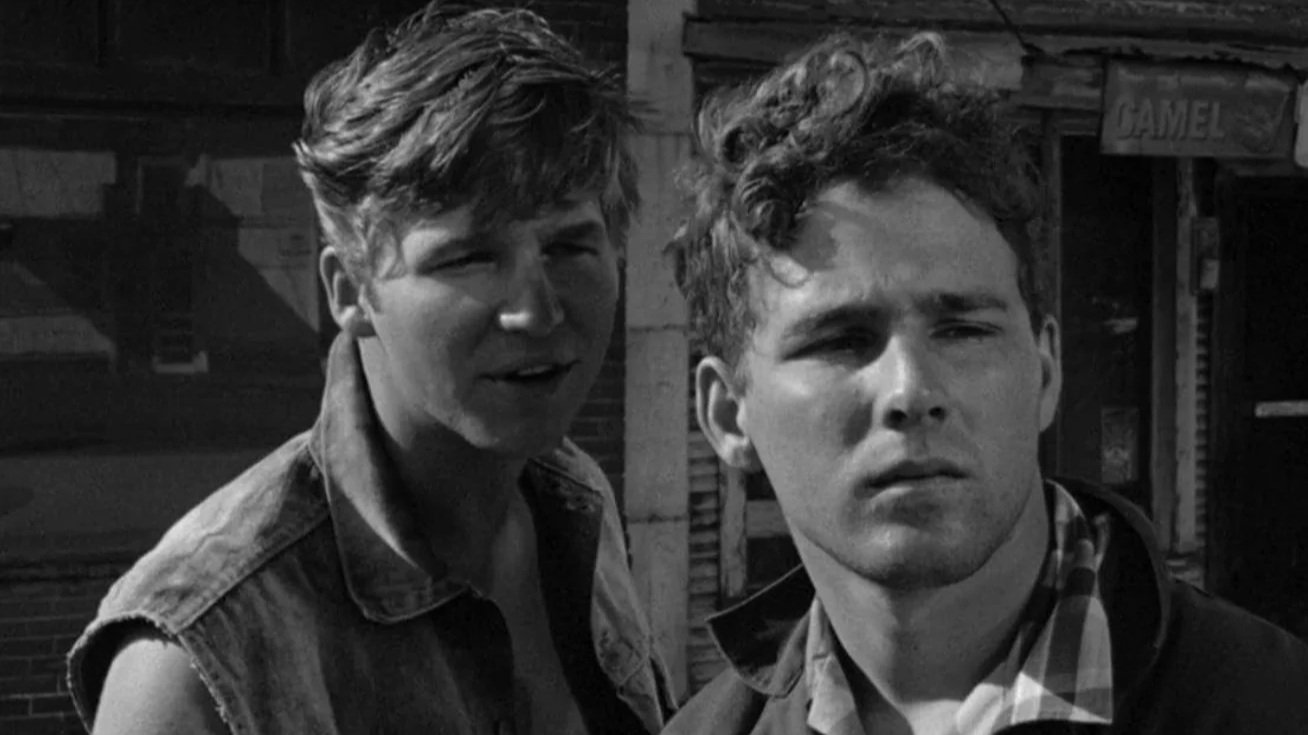
image: Columbia Pictures
Director: Peter Bogdanovich
Writers: Larry McMurtry, Peter Bogdanovich
Cast: Timothy Bottoms, Jeff Bridges, Cybill Shepherd, Cloris Leachman, Ben Johnson, Ellen Burstyn
Run Time: 1h 58m
UK Certificate: 15
10/10
There's a point in The Last Picture Show in which our main character Sonny drives outside of town and looks back. Anarene, Texas the place where he grew up is just a small scattering of lights on the horizon. These dots are his entire world, the expanse of his life and they're all contained in this one shot. Photographed in the film's now iconic black and white cinematography the town looks like its own universe, remote and isolated from the wider world. It's simple, it's not a big character defining scene or a chance at character development but one of the many perfect, indelible moments in the film that evoke Anarene’s raw isolation.
The Last Picture Show centres around Sonny (Timothy Bottoms), a teenager in the early 1950’s on the verge of adulthood grappling with his desires and hormones but also the narrowness of his prospects. He’s a strangely passive character only pushed into action at the suggestion of others, usually his rash and impulsive best friend Duane (Jeff Bridges). Beyond the Royal movie picture house and Sam the Lion’s (Ben Johnson) pool hall it seems there’s nothing at all for them to do and so they largely do nothing. Amongst this boredom and listlessness there’s a deep need for connection and intimacy which informs their decision making, so while Duane tries to in vain to sustain the affections of his capricious girlfriend Jacy (Cybill Shepherd), Sonny begins an illicit affair with his gym coach's wife Ruth (Cloris Leachmann). Nothing in this tiny town can stay secret for long though and it seems in Anarene nothing good can last.
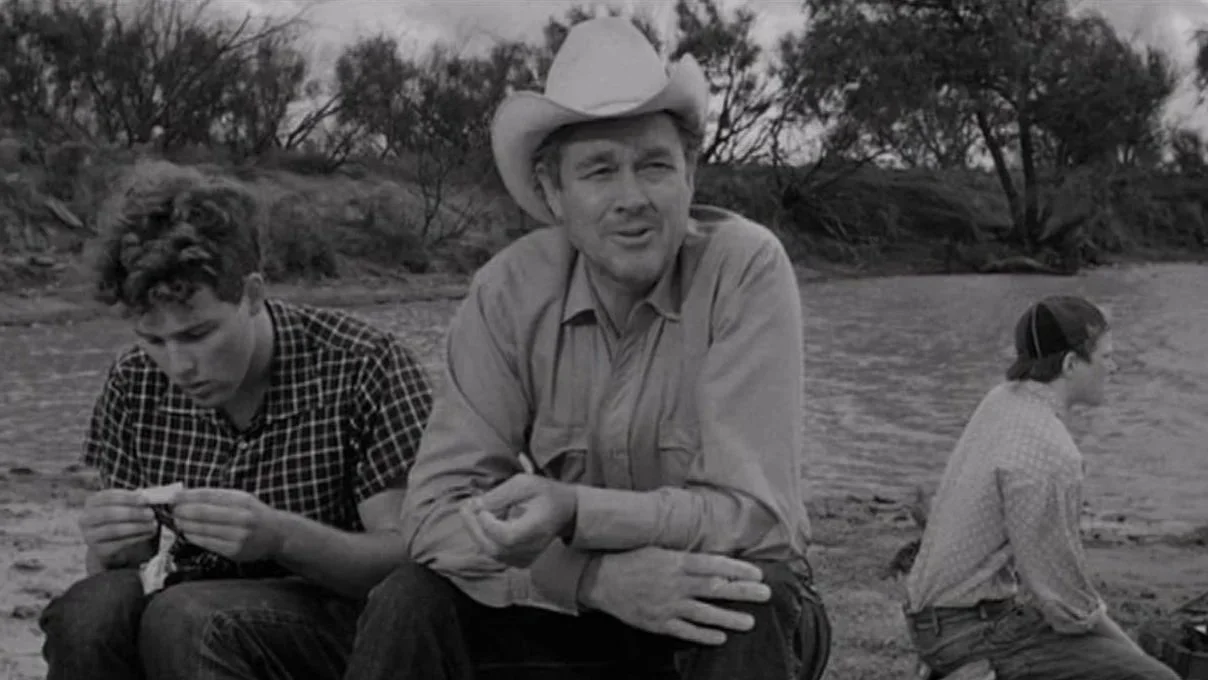
image: Columbia Pictures
Larry McMurtry based Thalia (changed to Anarene for the film) on his home town of Archer Texas where The Last Picture Show would be shot. McMurtry co-wrote the screenplay with Bogdanovich and there’s very few changes from the script which kept the book’s same sense of place and carefully observed characters. The adults have all had to come to terms with how little this little town has to offer, each of them always second guessing the choices that led to their respective situations and the kids seems helpless but to repeat their mistakes. Even Sam the Lion who seems to own all of the businesses in town and is treated with a kind of reverence by those around him for his patience and kindness expresses romantic regret to Sonny. With under ten minutes of screen time Ben Johnson makes Sam the Lion an unforgettable character, strong but soft spoken he cares for Anarene with kindness that has clearly kept it afloat for years. Whilst also acting as a caretaker to the towns teens and father figure to Sonny and Billy (Sam Bottoms), an intellectually disabled teen who he keeps busy sweeping up Sam’s establishments.
It’s a film of towering performances with two very deserving Oscar wins (Ben Johnson and Cloris Leachman for best supporting actor and actress respectively) and nominations for the most of the supporting cast (though Eileen Brennan who plays Genevieve was criminally neglected). It’s difficult to talk about the film without getting dragged into the weeds of discussing every single performance as it may one finest ensemble casts assembled. Timothy Bottoms wasn’t nominated for any awards though and it’s a shame as his performance, while not as obvious as the other players, is full of understated and subtle emotion. Sonny is not a character who is going to announce how he’s feeling, the tears he cries fall go unseen and his outburst at the end of the film only after the character has been pushed to the very limits. Cloris Leachman undoubtedly deserved the acclaim though. Ruth is one of the great, tragic characters in cinema and the desperation in how she feels about her life is almost stifling in the house she seems confined to. Worth mentioning too is Ellen Burstyn as Jacy mother Lois, and Eileen Brennan as Genevieve who runs the towns diner both trying to steer the teens away from the mistakes of their youth. Each performance in the film is shot through with pathos, the town is a well of sadness that seems to choke the life from its inhabitants leaving them frustrated and repressed.
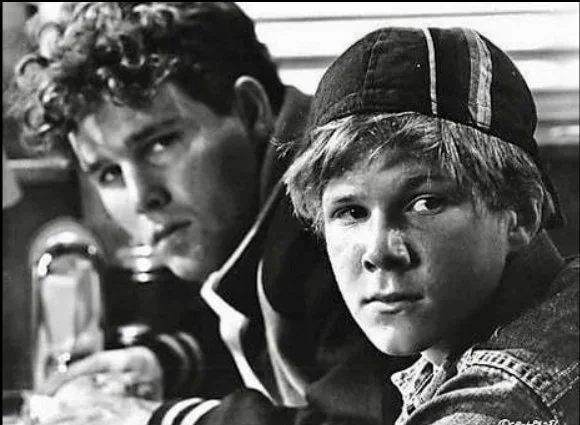
image: Columbia Pictures
The film is absolutely gorgeous, Robert Surtee’s black and white photography looks rich and deep highlighting the decrepitude and ruin of this isolated community. The shadows draw out the lines on people’s weathered faces, worn in by the near constant wind and hard scrabble living only Jacy and her mother seem unaffected by this wear and tear. It was Orson Welles who encouraged Bogdanovich to shoot the film in black and white feeling it made the actor’s performances better and it’s hard to argue with Welles based on The Last Picture Show. Every single still and frame is beautiful and even Lázló Kovács’ excellent work on Bogdanovich’s Paper Moon (1973) can’t compare. All of this soundtracked by a slim collection of song (mostly Hank Williams) that are diagetically included, played on what seems to be the town’s only radio station (Bogdanovich has a vocal cameo as the DJ). The limited selection of music serves to emphasise how remote Anarene is and Williams’ mournful voice is the perfect accompaniment and his songs weave seamlessly into the story.
The Last Picture Show is undoubtedly a masterpiece, it’s a film in which every single element works in perfect tandem. It’s an emotionally devastating film that manages to not only be a film that you’ll want to watch again but one that improves with each viewing. It’s a slow churning despair that you’re aware of from the opening scene but still savour every moment, no matter how awful you’ll feel afterwards. Bittersweet, beautiful and perfect the film is an elegy to a town, a way of life, an era, delivered without nostalgia or sentimentality.
Watched on Premium Collection Blu-ray.
Published 9th July 2026