
Review
Supergirl (2026)
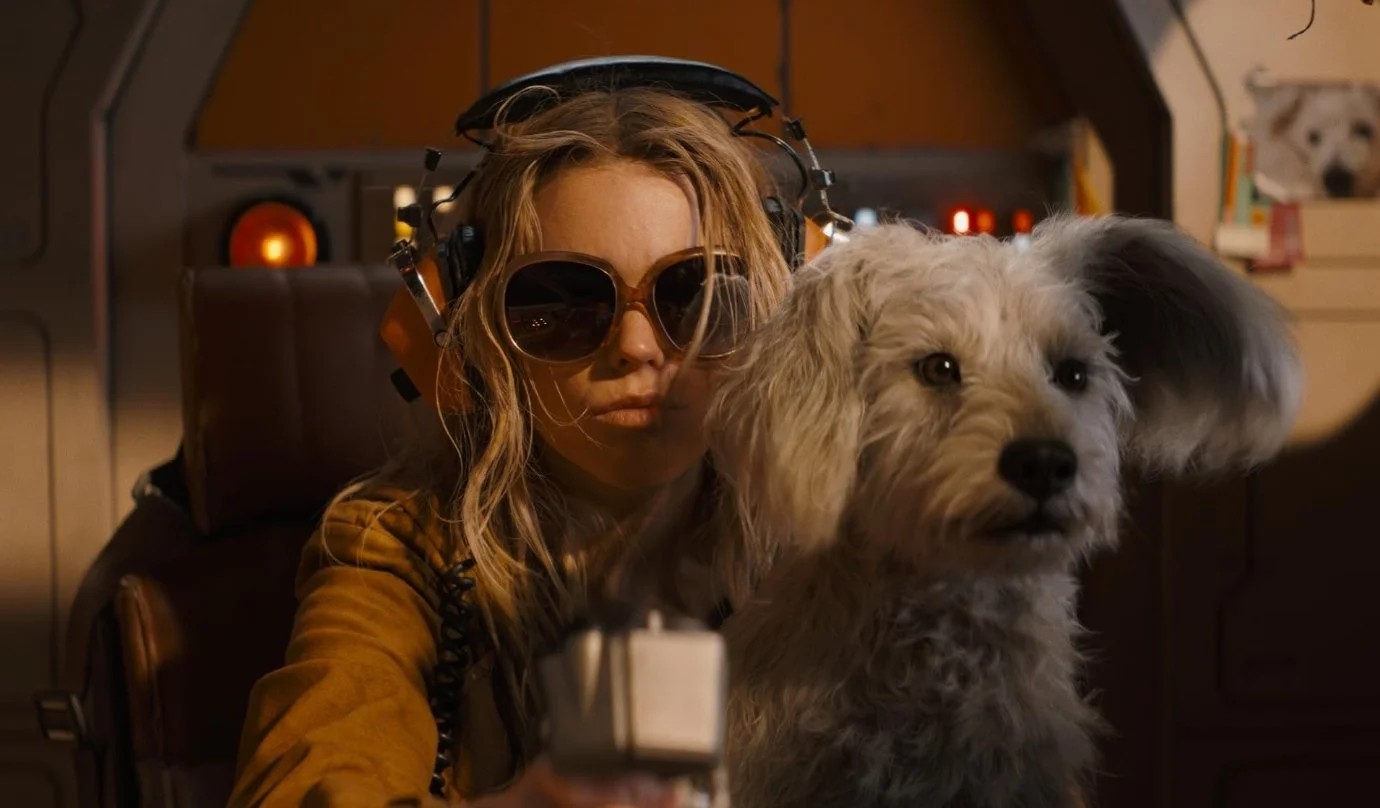
image: Warner Bros. Pictures
Director: Craig Gillespie
Writer: Ana Nogueira
Cast: Milly Alcock, Eve Ridley, Matthias Schoenaerts, David Corenswet, David Krumholtz
Run Time: 1h 48m
UK Certificate: 12A
6/10
After the complete ineptitude of the previous, thankfully now decanonised DC Cinematic Universe, James Gunn’s Superman (2025) was a breath of fresh air. He was handed the keys to the Kingdom by Warner Bros who needed to right the ship after a series of diminishing returns commercially and (especially) critically. With Superman (2025) he made a superhero film that was infused with enthusiasm, hope and an optimism that feels radical in a genre that now feels bloated and aimless. Supergirl (2026) is the direct follow up to Gunn’s rebooted continuity, directed by Craig Gillespie and adapted from the 2021 Eisner Award nominated comic book Supergirl: Woman of Tomorrow by Tom King and Bilquis Evely.
The film finds Supergirl (Milly Alcock) off world, on a planet with a red sun that removes her powers allowing her to feel the full effects of alcohol. Just like her cousin her super status is based upon being in the vicinity of a yellow sun similar to Earth's. Like Riggs in Lethal Weapon (1987) she’s secluded herself away from anyone else in a spacecraft that’s interior resembles a mobile home to process her past in solitude. Here she's approached by Ruthye (Eve Ridley), a young girl who wants to hire her to exact revenge upon a slaver called Krem of the Yellow Hills (Matthias Schoenaerts) who slaughtered her family. Supergirl (whose Kryptonian name is Kara Zor-El) isn't yet a hero though, she's a mess and has seemingly lost control of everything in her life. It’s clear she's having enough troubles of her own and refuses to help, telling Ruthye that killing Krem won't improve anything and will not make the pain go away. It's only when he poisons Krypto while stealing Supergirl's ship that things change, so now she has three days to track down Krem and retrieve the antidote that he keeps around his neck before the dog succumbs to the poison. So the pair must begin an intergalactic trek across a lawless galaxy with time running out and thing’s are not looking great. The pair are aided and hindered along the way by cosmic bounty hunter Lobo (Jason Mamoa), a cigar chomping, motorcycle rider intent on hunting a member of Krem’s gang. Like the source material, it’s essentially a cosmic updating of True Grit unfortunately dispensing with most of the elements that marked the comic book out for praise.
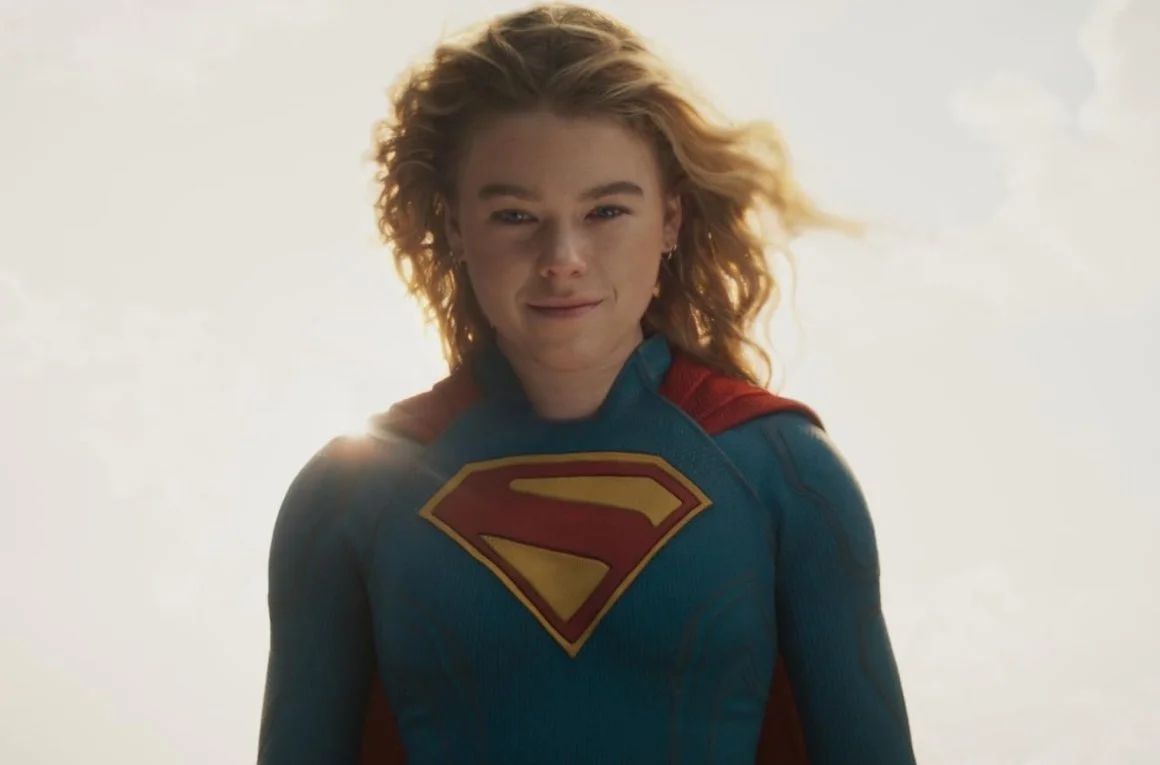
image: Warner Bros. Pictures
Awareness of the comic is a massive detriment to the film, it loses too much of the character and world building which over eight issues developed a genuine friendship between Kara and Ruthye which felt genuine and earned. Their arcs intertwined and dovetailed in a way that felt natural and interesting with conclusion informed by how the characters changed. However, I don’t believe it’s fair to judge films by their source material, nothing will ever be adapted as a perfect facsimile and massively changing the original work has resulted in some great films (Die Hard, There Will Be Blood, Jurassic Park). The story is simple and the stakes well established, it isn’t a superhero film mired in a nebulous world ending threat, it’s a simple story with a well defined motivation. With all of the apocalyptic, dimension hopping narratives that have weighed down blockbusters recently and resulted in the endlessly discussed “fatigue” that become a prerequisite when discussing the genre, it’s nice to have something that seems (at first glance) more personal. The problem is that the script (by Ana Nogueira) doesn’t give the characters room to interact or grow, with most conversations serving only to move the plot along or give an exposition dump. Scenes where Kara and Ruthye slow down and are allowed to chat are too few and far between in a film that feels rushed in too many places. Reports are that nearly half an hour was excised from the runtime shortly before release and it’s evident in the pacing.
Still Milly Alcott is excellent as Supergirl, a character more conflicted and weighed down with grief than her more positive cousin. It’s a shame she isn’t given more to do because after what we see of her life on Krypton and resulting grief, her character growth is genuinely satisfying. Ruthye is another character that feels underdeveloped, only really having agency in the last third of the film and spending too much time before that following Supergirl and prompting her to explain her backstory. Ridley is a fine actress but the film is unwilling to use her as anything but motivation for Kara and it’s only towards the end that she’s given an opportunity to shine. Krem as an antagonist (who in the comic book is merely a destination to be arrived at) is simply a sketch, with a design that a better film would give to a background henchman, a sub Mad Max villain devoid of anything that would make them memorable.
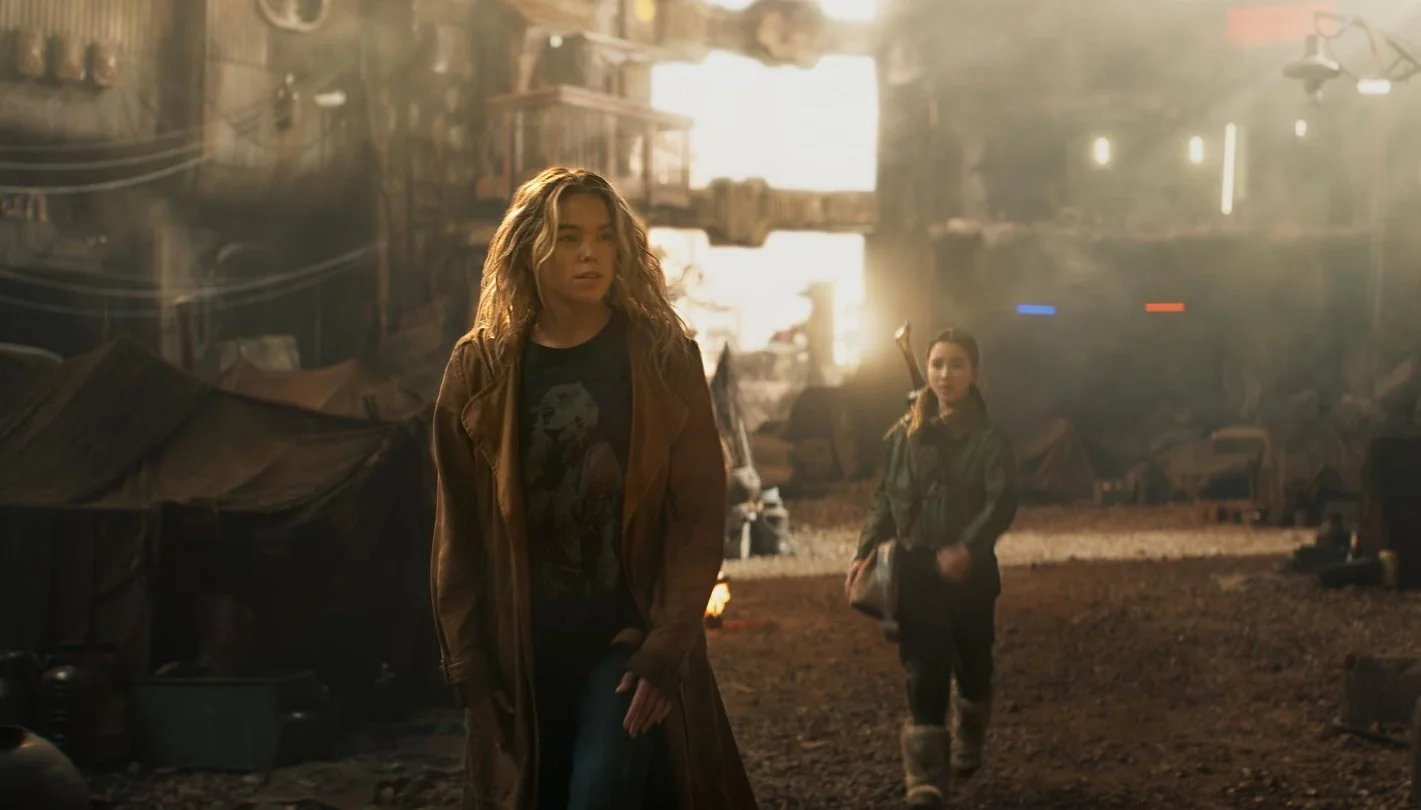
image: Warner Bros. Pictures
The film itself seems intent on looking forgettable with a palette so devoid of colour and vibrancy that it feels completely divorced from the source material. Although only limited by creativity rather than budget, comic books (like films) are a visual medium and it’s natural to compare the two. Every issue of the comic was packed with dazzling vistas, interesting alien worlds and an array of colour with artist Bilquis Everly (who’s namechecked as a planet) and Mat Lopez’s colouring being the gold standard of the past decade. It’s a shame that the film doesn’t take the slightest cue from the inventive, arresting and beautiful art in Supergirl: Woman of Tomorrow instead preferring planets in shades of brown and grey. This is compounded by the film being incredibly dark and poorly lit, making the already bland environments also murky and indistinct. The alien designs however are pretty excellent across the board packing the bars and spaceships with creatures that recall the cantina scene in A New Hope (1977). The action too is often imaginative and well staged (although this too could have benefited from being brightened up) with a scrappy teleporting fight on a space bus being an early highlight. I have no doubt that Milly Alcock will return in future DC films as she fits into the cape as well as David Corenswet did with Superman. It’s clear in the needle drops are meant to evoke the diegetic use of Starlord’s Walkman in Guardians of the Galaxy (2014), here though they’re mostly badly implemented and cloying (especially a cover of Jimmy Eat World’s The Middle during the final battle that feels obvious and misjudged at the same time). It too lacks Gunn’s usually excellent dialogue with much of the script being rote and vanishing from memory as soon as its uttered, Supergirl has all of the best dialogue and even Lobo isn’t as wise cracking as would be expected.
However, the film is a far sight better than the juvenile noise of Zack Snyder’s blockbusters, which largely reduced characters to morose action figures. Though I don’t believe it does enough to counter the detractors who say the genre has run its course, rushing to the action and focusing too often on puerility (there’s a baffling focus on bodily waste throughout). What could have been a journey across the universe is instead a short trip through a galaxy that looks uninspired and small.
Watched at the Cinema.
Published 9th July 2026