
Review
The Sparks Brothers (2021)
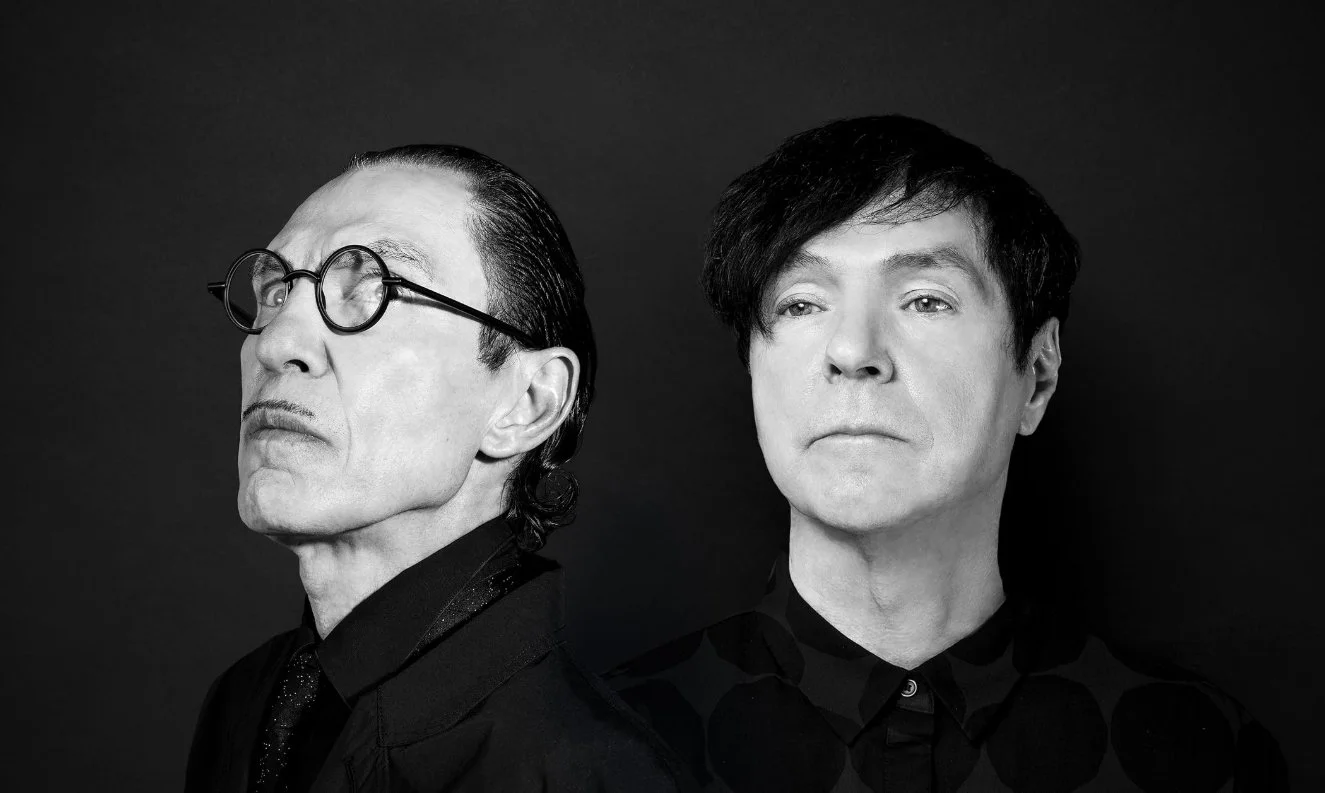
image: Universal Pictures
Director: Edgar Wright
Cast: Ron Mael, Russell Mael, Edgar Wright, Flea, Alex Kapranos, Jane Wiedlin, Paul Morley, Patton Oswald
Run Time: 2h 20m
UK Rating: 15
9/10
The cover to the Blu-ray release of The Sparks Brothers documentary describes Sparks as “Your favourite band's favourite band". It's succinct, memorable and accurate, proven by the wide ranging talking heads who appear in Edgar Wright's entertaining documentary. As someone who digs into the influences of the music I listen to, Russell and Ron Mael are regularly cited as a touchstone for a variety of artists. Sparks’ constant reinvention, boundless creativity and remarkable consistency have proved to be an influence on a truly dizzying array of genres. I had no idea (until watching the documentary) the breadth of their career and the amount of styles they had adopted and in some cases originated. So while it is an effusive tribute to the band it’s also an informative and entertaining exploration of their art.
The documentary uses beautifully shot portrait style talking heads of fans, friends, band members, music aficionados and the brothers themselves, interspersed with archival footage and animation to tell the story of the art pop band Sparks. For over fifty years and twenty six studio albums (at time of writing) Ron and Russell Mael have created idiosyncratic, defiantly original music. The Mael’s have been the band’s creative force and only consistent members, with a revolving door of musicians (the line up section of their Wikipedia needs a graph to chart changes). From their seemingly idyllic early childhood, (snuffed out by the death of their father) discovering the joys of rock and roll to their furtive music endeavours in college and then to their success to the seventies and eighties the film charts their career and the motivations behind their genre shifts and line up changes. Everyone speaks fondly of their interactions, even past band members who harbour some bitterness at being so casually discarded, remember their time fondly. It’s clear that the brothers see the other members of the band as tools to be utilised rather than full collaborators in the same way a conductor sees sections of an orchestra. Operating outside prevailing trends the band achieved surprising mainstream success. Sparks’ music can be angular and at times challenging but has always been tethered to a distinct sense of melody (art pop with an emphasis on the pop).
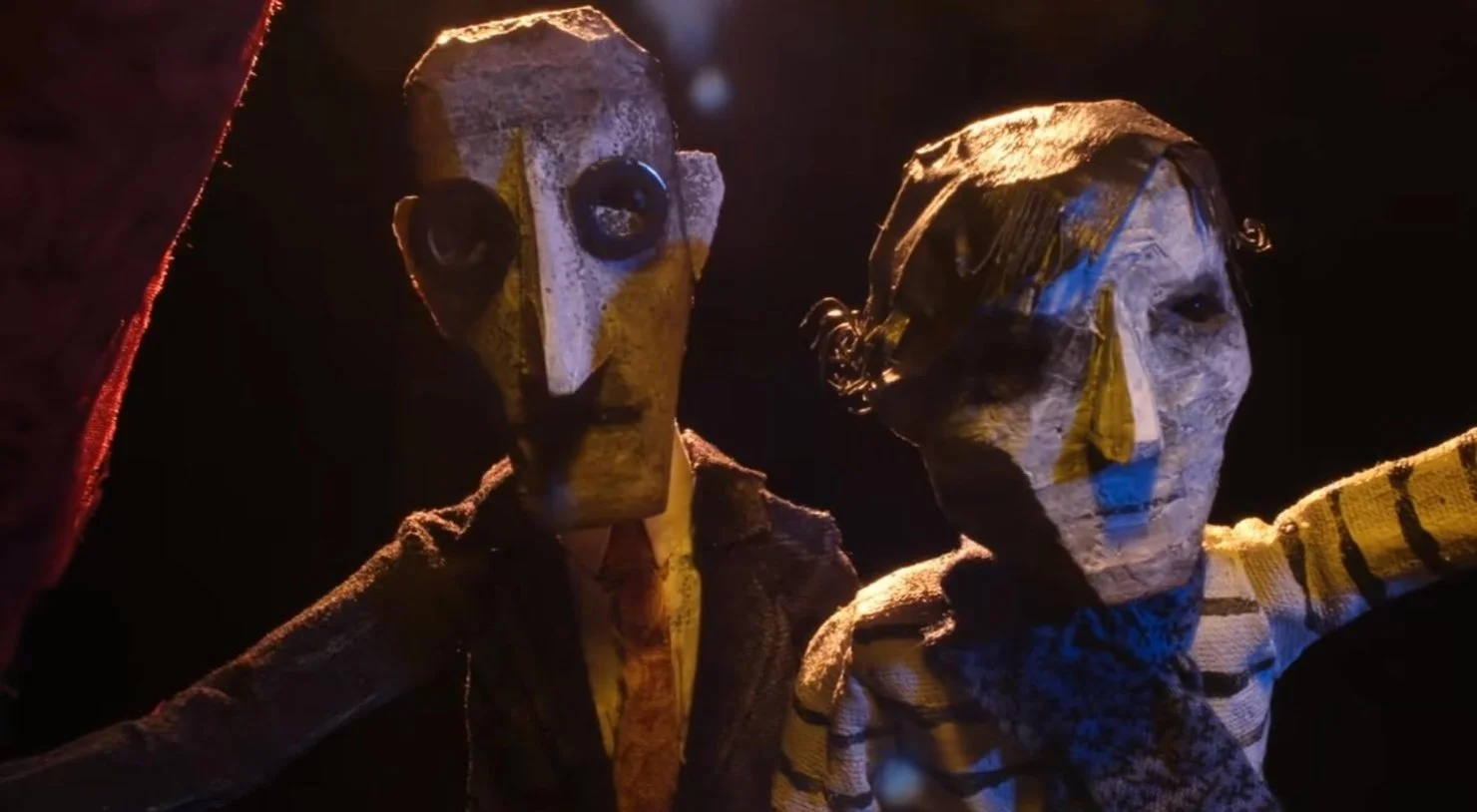
image: Universal Pictures
The film begins with an FAQ, a tongue in cheek, tautologous introduction to the band before Edgar Wright in voice over asks the question that sums up the enigma of the band - “How can Ron and Russell Mael be successful, underrated, hugely influential and overlooked all at the same time?” The Sparks Brothers does an excellent job of answering this conundrum while preserving the band’s mystique. Beyond childhood their private lives largely remain a mystery, with only the fallow commercial period in the early nineties offering a glimpse into their inner workings. This is undoubtedly a documentary about them as a musical act rather than a deeper look at them as actual people, Wright presenting the Maels as almost mythic figures. It’s the talking heads that are left to fill in the details and at times they’re as inquisitive and clueless as the audience. A common misconception being the band’s nationality with most assuming that they’re in fact English, music journalist Paul Morley describing Sparks as “the best British band to ever come out of America”. The brothers themselves are clearly reluctant to deconstruct their stage personas, preferring the focus on the music itself. Which is where the documentary shines, discussing Sparks’ discography in detail with the Mael’s openly taking responsibility for what worked and what didn’t.
Despite the film’s exhaustive amount of detail (it runs to two hours and twenty minutes) it’s shocking how quickly the time goes by. Partly because of how likeable the brothers are with their pleasant, good natured humour and self awareness and partly because of how interesting the film is, you’ll probably reach the credits wanting more. Russell and Ron offer incisive, humorous detail to their story, their rapport at times feeling like a veteran comedy duo who implicitly understand each other's rhythms. Like the best music documentaries it also serves as a cultural history, even though Sparks seem to operate on the periphery of the zeitgeist for whatever era is being discussed.
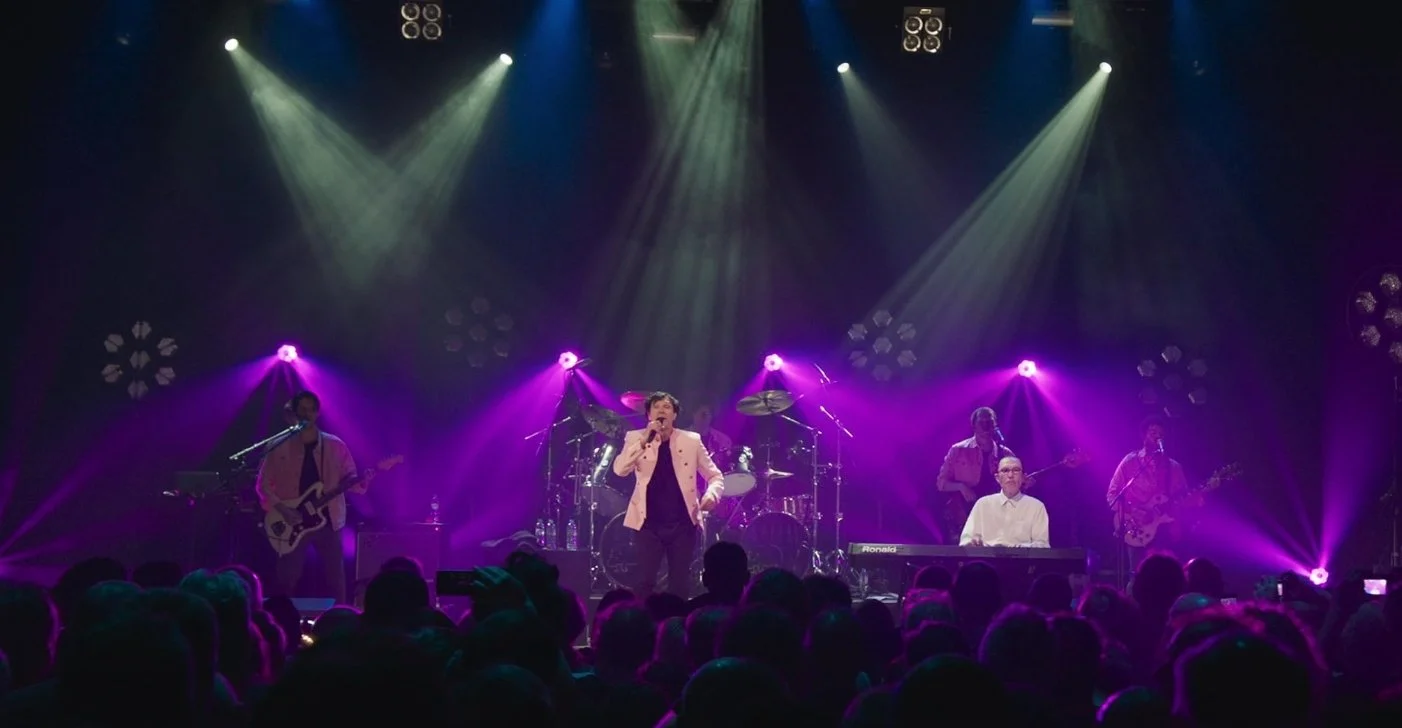
image: Universal Pictures
Wright is clearly a devoted fan of the band, it's clear in how lovingly crafted the film is but The Sparks Brothers is still playfully irreverent. The director’s comic sensibilities are used to good effect, there's a surprising amount of high profile comedians (Mike Myers, Fred Armison, Patton Oswald, Adam Buxton) interviewed with the musicians that are all eager to discuss their undying love of the band. It’s frequently a very funny film with amusing anecdotes and Paul Trewartha’s juxtapositional editing and animated sections which visualise anecdotes. Including a particularly funny one in which Edgar Wright’s frequent collaborators Simon Pegg and Nick Frost provide voice to a phone call between John Lennon and Ringo Starr. The stories often make Sparks’ seem like an impossibility, a fluke in which the band were able to successfully reinvent and return to the public consciousness numerous times while maintaining their core appeal.
Due to Sparks’ many albums offering a diverse mix of genres and styles, their music has no clear entry point. What the documentary offers for the band is accessibility, a broad overview that invites the audience to sample from their career and lets them know what to expect from each era. Fans will be rewarded with a wealth of live performances, archival footage and a chance to sort the truth from the apocrypha but anyone watching will find something to enjoy amongst Sparks’ catalogue.
Watched on Blu-ray
Published 12th October 2026